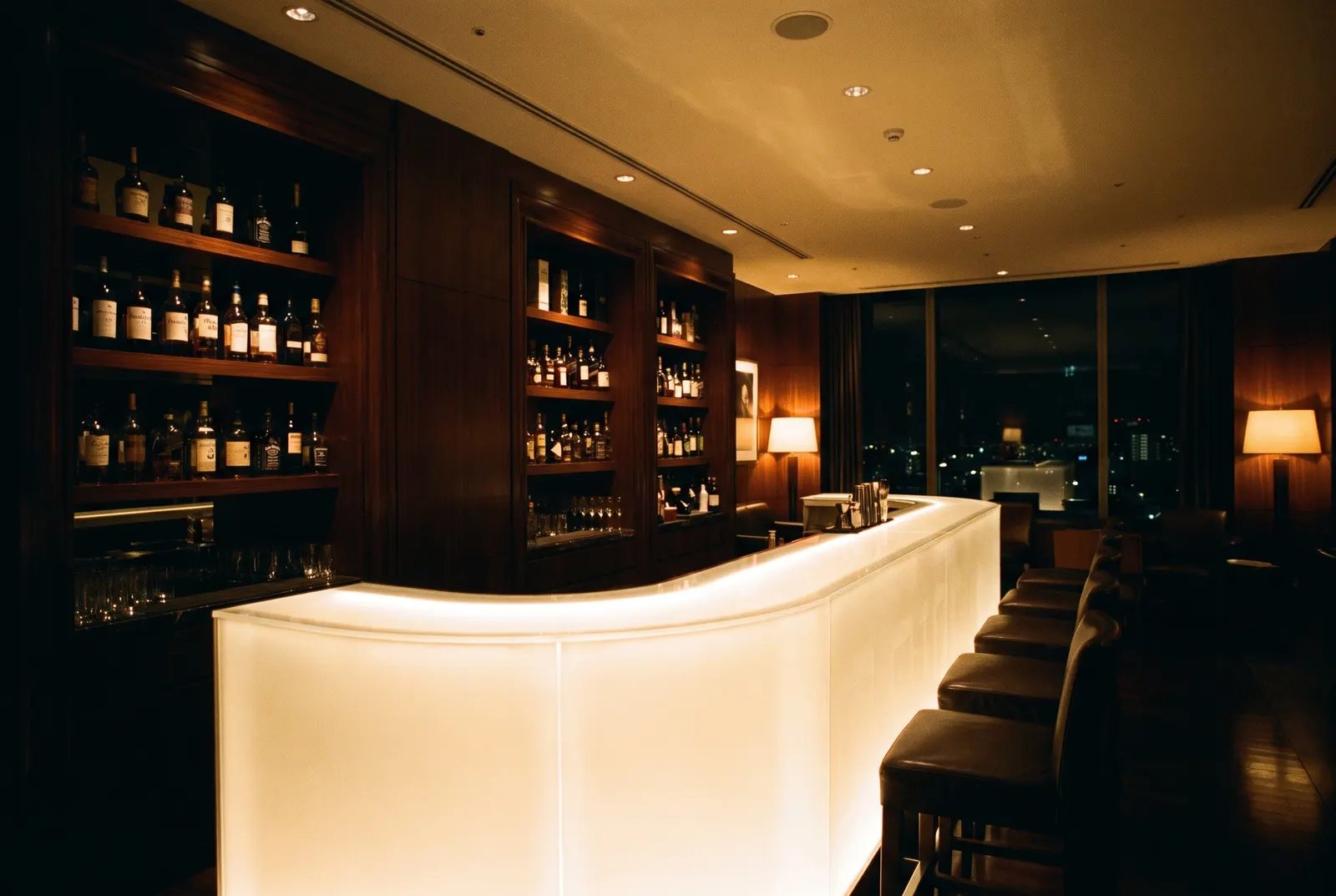
What Kristall is, and where to find it in the 2025 range
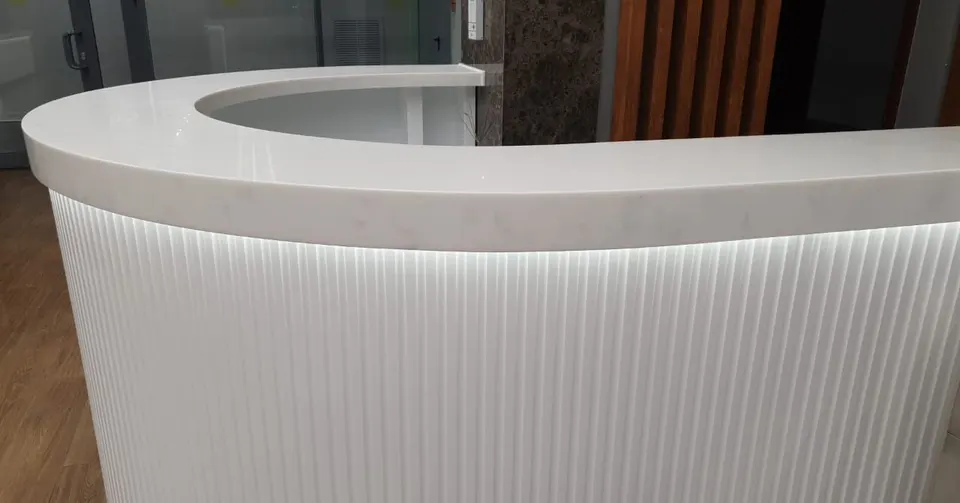
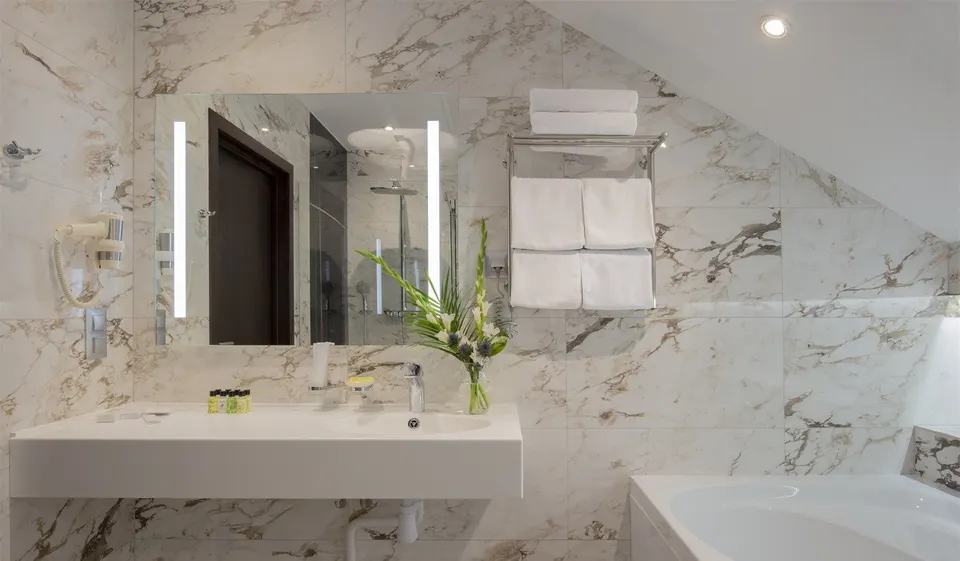
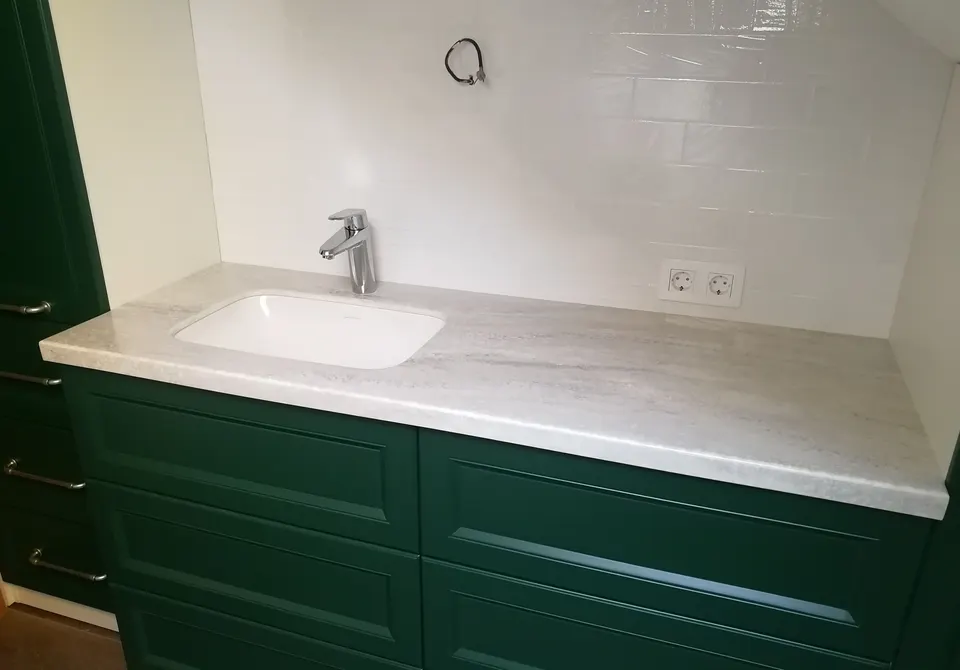
Kristall is the name for decors with large translucent flecks in a solid surface sheet. Several are highly translucent: put light behind them and the surface glows, while it still looks like a solid, stone-like material by day. Designers use it for bar fronts, reception desks, light walls and signage.
Kristall is not a separate collection in the 2025 catalogues. Its decors now appear in three places:
| Code | Name | Where it is listed | Thermoformable |
|---|---|---|---|
| A404 | Translucent White | Akrilika 2025 range (100% acrylic) | Yes |
| MK010 | Cocktail | Apietra 2025 range | No |
| MK013 | Iceberg | Apietra 2025 range | No |
| MK018 | Dark Chocolate | Apietra 2025 range | No |
| MK025 | Icepeak | Apietra 2025 range | No |
| MK029 | Troya | Apietra 2025 range | No |
| MK054 | Akrilight | Apietra 2025 range | No |
| KA011, KA012, KA018, KA026, KA032 | Coast, Mosaic, Dark Chocolate, Grigio, Elektra | 2026 European distributor catalogue | Confirmed with the quote |
Not every decor on this list transmits the same amount of light, and a dark decor may be chosen for its look rather than for backlighting. Treat the table as a shortlist and confirm each code with a sample.
How much light a translucent solid surface lets through
We don’t publish a light-transmission table or LED spacing figures. The honest answer is that it depends on four things you can control:
- The colour. Pale decors with open flecks pass more light. Dense pigments and dark grounds pass less.
- The thickness. Translucent decors are supplied in 12 mm sheet. The 6 mm sheet is made only in A101 Glacier White, which is not a translucent colour.
- The light source. Brightness, beam spread and colour temperature all change the result.
- The cavity. The distance between the LEDs and the back of the panel decides whether you see a glow or a row of dots.
Colour can also vary between batches. So the reliable method is a physical test: order a sample of each shortlisted code, light it with the LED you plan to use, and fix the colour and batch before fabrication.
Backlit solid surface: LED guidance for designers
These are the qualitative rules we work to. The numbers for your project come from the mock-up, not from a chart.
- Go for diffuse light. Use LED sheets, or strips behind a diffuser. Bare strips close to the panel show as lines.
- Give the light room to blend. More depth between LEDs and panel gives a more even glow. Test two or three depths on the sample before you fix the carcass drawing.
- Plan for service. Drivers and connections must be reachable without taking the surface apart, through an access panel or a removable back.
- Keep it ventilated. Don’t seal drivers into a closed cavity behind the panel.
- Choose colour temperature on the sample. Warm and cool light make the same decor look noticeably different. Approve it lit, not in daylight.
- Plan joints with the lighting layout. Joints are bonded with colour-matched adhesive. Check how a joint reads when lit on the mock-up, and put joints where the design can take them.
Where translucent surfaces work
- Bar and reception counters: a lit front panel, with an opaque top in a matching or contrasting colour.
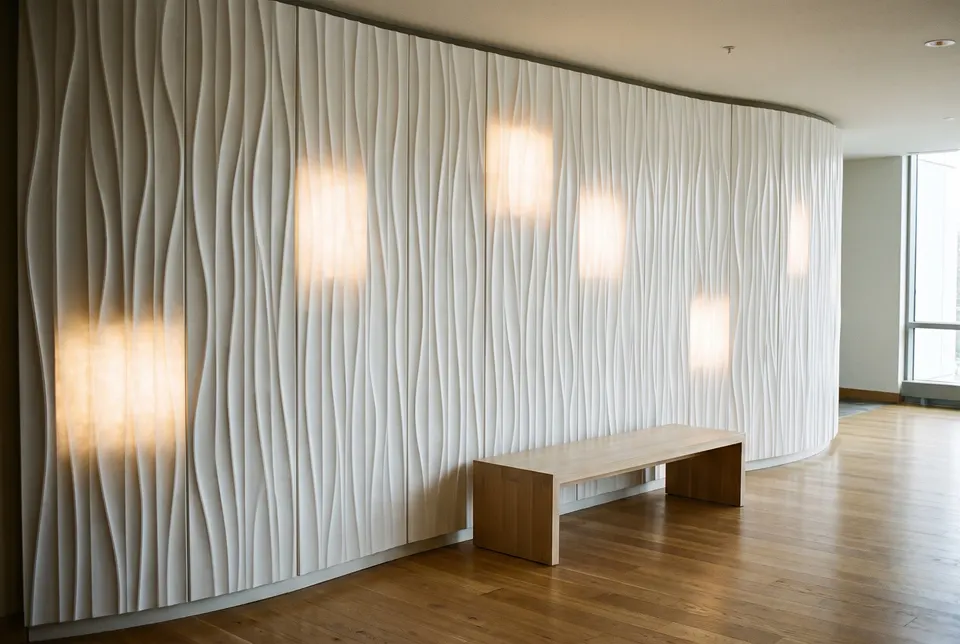
- Light walls and feature panels in hotels, restaurants and spas.
- Signage and logos: logos can be applied to the surface by sublimation printing.
- 3D wall panels: our Deco 3D panels come in nine designs, with backlit versions of Vine, Waterfall and Water Ripple.
Fabrication notes
Fabrication follows the rules of the collection the code belongs to. A404 Translucent White is Akrilika: it can be thermoformed and carries the 15-year limited warranty. MK decors are Apietra: flat work only, 10-year limited warranty. Both require a certified fabricator and an indoor, heated installation.
To start, order samples of two or three codes and tell us the LED you plan to use. We will confirm availability and batch for each colour with the quote.